The Art of Historical Typography: Integrating Hijrah into Modern Design Projects
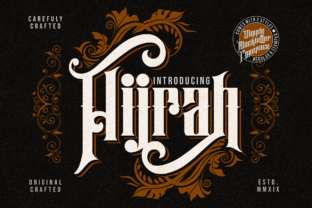
In the vast landscape of digital and print design, typography serves as the voice of visual communication. It is not merely about selecting a typeface that is legible; it is about choosing a font that conveys a specific mood, era, or brand identity. Among the myriad of options available to designers, Hijrah stands out as a distinctive choice for those seeking an old-school blackletter aesthetic with a stunning, personalized appearance. This article explores the nuances of using Hijrah in contemporary projects, offering practical insights for professionals, creators, and hobbyists who wish to incorporate this unique font into their workflows.
Understanding the Blackletter Tradition
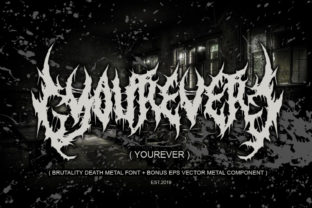
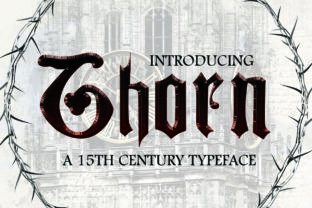
To appreciate the value of Hijrah, one must first understand the historical context of blackletter typefaces. Originating in the 12th century, blackletter (also known as Gothic script) was the dominant writing system in Western Europe for centuries. Characterized by its dense, angular, and highly decorative forms, this style was originally designed to mimic the handwritten manuscripts of medieval scribes. The intricate details and vertical emphasis of these letters create a sense of gravity, tradition, and authority.
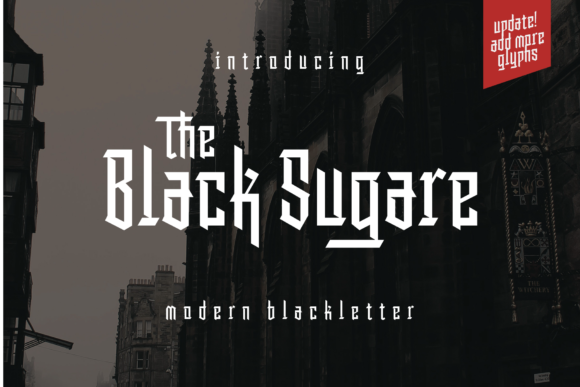
While traditional blackletter fonts can sometimes be difficult to read in large bodies of text due to their complexity, modern interpretations like Hijrah have refined these characteristics. They retain the stunning look and historical weight of the original scripts while improving legibility enough to be used effectively in various design contexts. By understanding this lineage, designers can make more informed decisions about when and where to apply such a powerful typographic tool.
Key Characteristics of Hijrah
- Angular Structure: Unlike the rounded forms of humanist or geometric sans-serif fonts, Hijrah features sharp angles and distinct vertical strokes that command attention.
- Dense Texture: The high contrast between thick and thin lines creates a rich visual texture that works exceptionally well for headlines and logos.
- Historical Authenticity: The design elements are rooted in classical calligraphy, providing an immediate association with heritage and craftsmanship.
- Personalized Feel: Due to its rarity in everyday digital communication, using Hijrah gives a project a bespoke, hand-crafted appearance that sets it apart from generic templates.
Strategic Applications in Modern Design
One of the most common questions designers face is whether a heavy, historical font like Hijrah has a place in modern, minimalist design. The answer lies in strategic application. While it may not be suitable for long-form body copy, Hijrah excels in roles where impact and character are paramount. Below are several scenarios where this font can elevate a design project.
Brand Identity and Logo Design
For brands looking to establish a connection with history, luxury, or artisanal quality, Hijrah is an excellent asset. Breweries, craft distilleries, and boutique bakeries often use blackletter fonts to signal authenticity and tradition. When applied to a logo, the font’s intricate details can become a memorable visual symbol. For example, a local coffee roaster might use Hijrah for their primary logotype to evoke the timeless ritual of coffee preparation, contrasting it with a clean sans-serif font for product descriptions to ensure readability.
Event Posters and Invitations
Events that celebrate culture, music, or heritage benefit greatly from the dramatic flair of blackletter. A concert poster for a folk or metal band, a wedding invitation for a couple seeking a gothic aesthetic, or a flyer for a historical reenactment society can all utilize Hijrah to set the tone. The font’s ability to convey drama and elegance makes it ideal for attracting an audience looking for a unique experience. In these cases, pairing Hijrah with ample negative space ensures that the design does not feel cluttered.
Packaging Design
In retail environments, packaging must stand out on crowded shelves. Products labeled as "premium," "organic," or "handmade" often benefit from typography that suggests care and attention to detail. Using Hijrah for the product name on a label for artisanal soap, hot sauce, or specialty tea can communicate quality before the consumer even reads the ingredients list. The font’s personalized appearance helps differentiate the product from mass-market competitors who rely on standard corporate fonts.
Best Practices for Implementation
Using a striking font like Hijrah requires a thoughtful approach to avoid overwhelming the viewer. Here are some practical guidelines for integrating blackletter into your design workflow effectively.
- Limit Usage: Treat Hijrah as a headline font. Avoid using it for paragraphs of text, as it can cause eye strain and reduce comprehension. Reserve it for titles, subtitles, and short phrases.
- Pair Carefully: Combine Hijrah with simple, neutral typefaces. A clean sans-serif or a classic serif provides a necessary counterbalance, allowing the blackletter to shine without competing for attention. For instance, pair Hijrah headings with a lightweight Helvetica or Garamond for body text.
- Ensure Sufficient Contrast: Because blackletter fonts are visually dense, they require clear backgrounds. Avoid placing Hijrah over busy images or low-contrast colors. High contrast between the text and background is essential for legibility.
- Consider Scale: Blackletter fonts often lose their detail at very small sizes. Ensure that the font size is large enough for the intricate cuts and curves to be visible. If scaling down is necessary, test the output carefully to ensure the characters remain distinct.
Target Audiences and Industry Relevance
The versatility of Hijrah makes it relevant across a broad spectrum of industries and user groups. Understanding who benefits most from this font can help tailor your design strategy.
Professionals and Business Owners
Entrepreneurs in niche markets, such as the culinary arts, fashion, or entertainment, can leverage Hijrah to build a strong brand narrative. For business owners, using a font with historical resonance can enhance perceived value and trust. It signals that the business respects tradition and takes pride in its offerings.
Educators and Researchers
In academic publishing and educational materials related to history, art, or literature, Hijrah can serve as an effective visual aid. It can be used to highlight key terms, chapter headings, or quotes from historical figures. For researchers studying typography or medieval history, incorporating Hijrah into presentations or posters adds an element of authenticity that aligns with the subject matter.
Creatives and Hobbyists
Graphic designers, illustrators, and DIY enthusiasts often seek tools that allow for creative expression. Hijrah offers a way to add a touch of sophistication and uniqueness to personal projects, such as scrapbooking, zine creation, or custom t-shirt designs. Its stunning look appeals to those who want their work to stand out and reflect a deep appreciation for artistic detail.
Trends and Future Considerations
As design trends continue to evolve, there is a growing movement towards "neo-traditionalism," where historical styles are reimagined for modern contexts. This trend favors fonts that tell a story and evoke emotion over purely functional, sterile typefaces. Hijrah fits perfectly into this paradigm, offering a bridge between the past and present.
Furthermore, the rise of digital branding means that logos and headers need to be recognizable even at small sizes on mobile devices. Designers must experiment with spacing, color, and layout to ensure that Hijrah remains effective in responsive web design. The key is to adapt the font’s strengths—its boldness and character—to fit the constraints of digital screens without losing its essence.
Technical Accessibility
When implementing Hijrah in web design, consider the technical aspects of font loading. Since blackletter fonts can have complex vector paths, ensure that the file size is optimized to prevent slow load times. Using web-safe formats and fallback fonts is crucial for maintaining accessibility and performance. Additionally, provide alternative text descriptions for screen readers, as the visual complexity of the font may not convey meaning to users relying on assistive technologies.
Conclusion
Incorporating Hijrah into your design projects is more than just a stylistic choice; it is a statement about the values and identity you wish to project. By leveraging its old-school blackletter roots, you can create designs that are not only visually striking but also deeply meaningful. Whether you are a professional designer crafting a brand identity, an educator presenting historical content, or a hobbyist creating personal art, Hijrah offers a versatile and powerful tool for achieving a personalized appearance. As you explore its potential, remember to balance its dramatic presence with clarity and purpose, ensuring that your message resonates clearly with your audience.
Ultimately, the success of using Hijrah lies in the designer’s ability to harmonize its historical weight with contemporary needs. By following best practices and understanding its applications, you can unlock the full potential of this unique typeface, creating work that is both timeless and relevant.