Why Judge Is Redefining Visual Authority in Digital Design
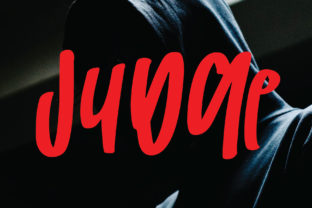
In an era where visual noise is the default state of the internet, standing out requires more than just aesthetic appeal; it demands authority. This is where Judge enters the conversation—not as a passive tool, but as a decisive force in design strategy. For professionals, creators, and entrepreneurs navigating the crowded landscape of digital content, the ability to command attention instantly is no longer a luxury; it is a business necessity. The phrase Judge features a strong, powerful and unique style that will take any design project to the next level. Get inspired by its authentic charm. captures the essence of what modern audiences are seeking: clarity, confidence, and a distinct voice that cuts through the clutter.
The relevance of such a bold approach stems from a fundamental shift in user behavior. Today’s users are skimmers, not readers. They make split-second decisions about whether to trust a brand, engage with a blog post, or explore a product page based on visual cues alone. A design that hesitates, blends in, or relies on generic templates fails this test. Judge addresses this challenge by prioritizing structural integrity and visual weight. It moves away from the fleeting trends of minimalism-for-minimalism’s-sake and embraces a robust, grounded aesthetic that communicates stability and expertise. This is particularly crucial for industries ranging from legal services and finance to high-end creative agencies and educational platforms, where credibility is paramount.
The Evolution of Authenticity in Modern Workflows
To understand why Judge resonates now, we must look at how design workflows have evolved over the last decade. Ten years ago, "clean" often meant white space and sans-serif fonts. While effective, this approach has become homogenized. Many websites and presentations now feel indistinguishable from one another, leading to a phenomenon known as "design fatigue." Users are increasingly craving authenticity—designs that feel hand-crafted, intentional, and human, even when generated by sophisticated algorithms.
This shift is driven by a desire for connection. Audiences want to know who is behind the screen. They respond to designs that show character rather than those that hide behind sterile perfection. Judge taps into this emotional need by leveraging its strong, powerful style to create a sense of presence. It does not shout; it asserts. By incorporating elements that suggest craftsmanship and deliberate choice, it allows creators to inject their unique personality into their projects without sacrificing professionalism. This balance is difficult to achieve, which is why tools and frameworks that emphasize a unique style are gaining traction among savvy marketers and educators alike.
Furthermore, the rise of remote work and distributed teams has changed how we collaborate on design. There is less room for iterative, vague feedback loops. Decisions need to be made quickly and confidently. A design system or aesthetic like Judge, which is defined by its clear strengths and unique characteristics, reduces ambiguity. It provides a solid foundation that team members can build upon, ensuring consistency across various touchpoints—from social media graphics to long-form articles. This efficiency is invaluable for freelancers and small business owners who wear multiple hats and cannot afford to spend hours debating minor stylistic nuances.
Breaking Down the Core Characteristics
What exactly constitutes the "strong, powerful, and unique style" associated with Judge? It is not merely about using bold colors or large typography. It is a holistic approach to composition that considers hierarchy, contrast, and rhythm. Let us explore the key pillars that make this style so effective for contemporary design projects.
- Structural Confidence: The layout itself becomes a statement. Instead of hiding content behind complex navigation or hidden menus, Judge encourages directness. Information is presented with a clarity that respects the user’s time. This is evident in the use of ample negative space not as emptiness, but as a framing device that highlights the most important elements.
- Textural Depth: Authentic charm often comes from texture. In a digital world dominated by flat vectors, introducing subtle textures, gradients, or typographic variations can add depth and warmth. Judge utilizes these elements to create a tactile feel, making digital experiences feel more tangible and engaging.
- Color as Emotion: Color choices in this style are rarely accidental. They are used strategically to evoke specific emotions and guide user behavior. Deep, saturated tones might convey trust and authority, while strategic pops of vibrant color draw the eye to calls-to-action. This purposeful use of color ensures that every element serves a functional goal.
- Typography with Voice: Fonts are chosen not just for readability, but for their personality. A strong style often pairs a robust serif headline font with a clean, modern sans-serif body text. This combination creates a dialogue between tradition and innovation, appealing to both conservative and progressive audiences.
Practical Implications for Creators and Businesses
For the average professional, adopting a design philosophy centered on strength and authenticity has tangible benefits. Consider the marketer launching a new campaign. If their landing page looks generic, they risk losing potential customers to competitors who appear more established and trustworthy. By applying the principles of Judge, they can elevate their visual identity to match the quality of their service. This is not about spending more money on design resources; it is about making smarter design choices that align with user expectations.
Educators and bloggers also stand to gain significantly. In a content-saturated market, the presentation of information is as important as the information itself. A blog post formatted with the distinctive style of Judge stands out in search results and social feeds. It signals to the reader that the content within is well-organized, authoritative, and worth their attention. This can lead to increased dwell time, lower bounce rates, and higher engagement metrics—all critical factors for SEO and audience growth.
For entrepreneurs and startup founders, first impressions are everything. Investors and early adopters are often judging a company’s viability based on its digital footprint. A website that reflects a weak or indecisive design can inadvertently signal instability. Conversely, a site that embodies a strong, powerful style suggests a leadership team that knows what it wants and how to deliver it. This psychological advantage can be the difference between securing funding and being overlooked.
Integrating Judge Into Your Creative Process
So, how do you bring this vision to life? Integration begins with intentionality. Start by auditing your current design assets. Do they reflect the strength and authenticity you wish to convey? Identify areas where generic templates may be diluting your message. Replace them with custom elements that align with the Judge aesthetic.
- Define Your Core Message: Before opening any design software, clarify what you want to say. A strong style supports a strong message. Ensure your visual hierarchy mirrors your narrative priority.
- Embrace Contrast: Do not fear bold differences in size, color, or weight. Use contrast to create focal points and guide the viewer’s eye through your content logically.
- Prioritize Readability: Power should never come at the expense of usability. Ensure that your unique style enhances, rather than hinders, the user’s ability to consume your content. Test your designs across devices and screen sizes.
- Iterate with Feedback: Share your drafts with trusted peers or target audience members. Ask them not just if they like it, but if it feels authoritative and authentic. Their perception is the ultimate metric of success.
The Future of Bold Design
As we move further into the digital age, the demand for genuine human expression in technology will only intensify. Artificial intelligence can generate layouts and copy, but it struggles to replicate the nuanced charm of a truly unique style. Judge represents a counter-movement to algorithmic blandness, championing the idea that design should have soul. It reminds us that behind every pixel is a human intent, a story, and a purpose.
This trend is likely to accelerate as users become more discerning. We are seeing a rejection of "fast fashion" design in favor of timeless, impactful aesthetics. Brands that invest in developing a distinctive visual language will build deeper loyalty with their audiences. They will be remembered not for being the loudest, but for being the most compelling.
Ultimately, the goal is to create experiences that resonate. When you leverage a style that is strong, powerful, and unique, you are not just decorating a page; you are building a relationship with your audience. You are inviting them into a space that feels secure, inspiring, and authentically yours. In a world full of noise, that kind of clarity is priceless. Whether you are redesigning your portfolio, revamping your corporate website, or crafting a series of educational materials, embracing the principles of Judge can transform your projects from ordinary to extraordinary. It is an invitation to step up, speak clearly, and let your work carry the weight it deserves.